Layered Lighting in Interior Design: The Complete Guide to Creating Beautiful and Functional Spaces

Lighting is one of the most important elements of interior design. A well-designed lighting plan can completely transform the appearance, comfort, and functionality of any space. Unfortunately, many homes in Nepal still rely on a single ceiling light, which often creates harsh shadows and uneven illumination.

At Nepal Interior Design, we believe that great interiors are not just about beautiful furniture and finishes—they are also about creating the perfect atmosphere through layered lighting. Whether you are designing a new home, renovating an apartment, or planning a commercial space, understanding the different layers of lighting will help you achieve a luxurious and practical interior.

What Is Layered Lighting?
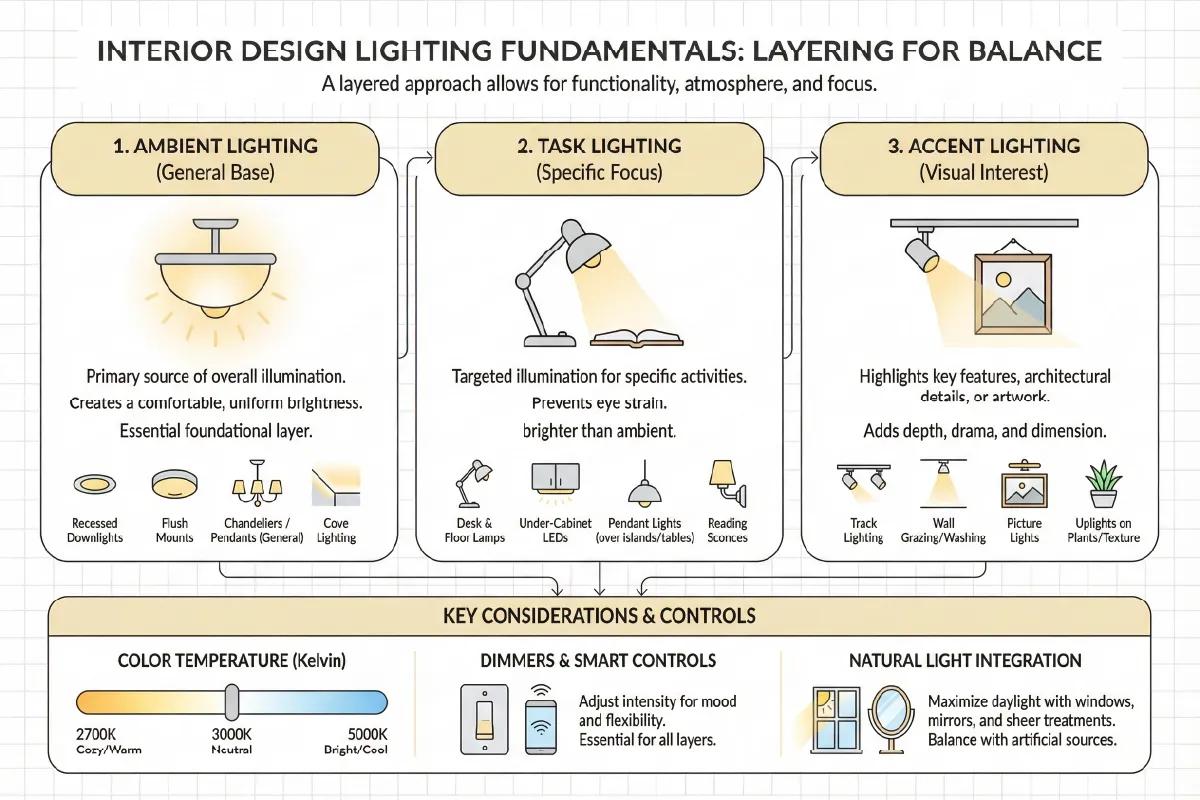
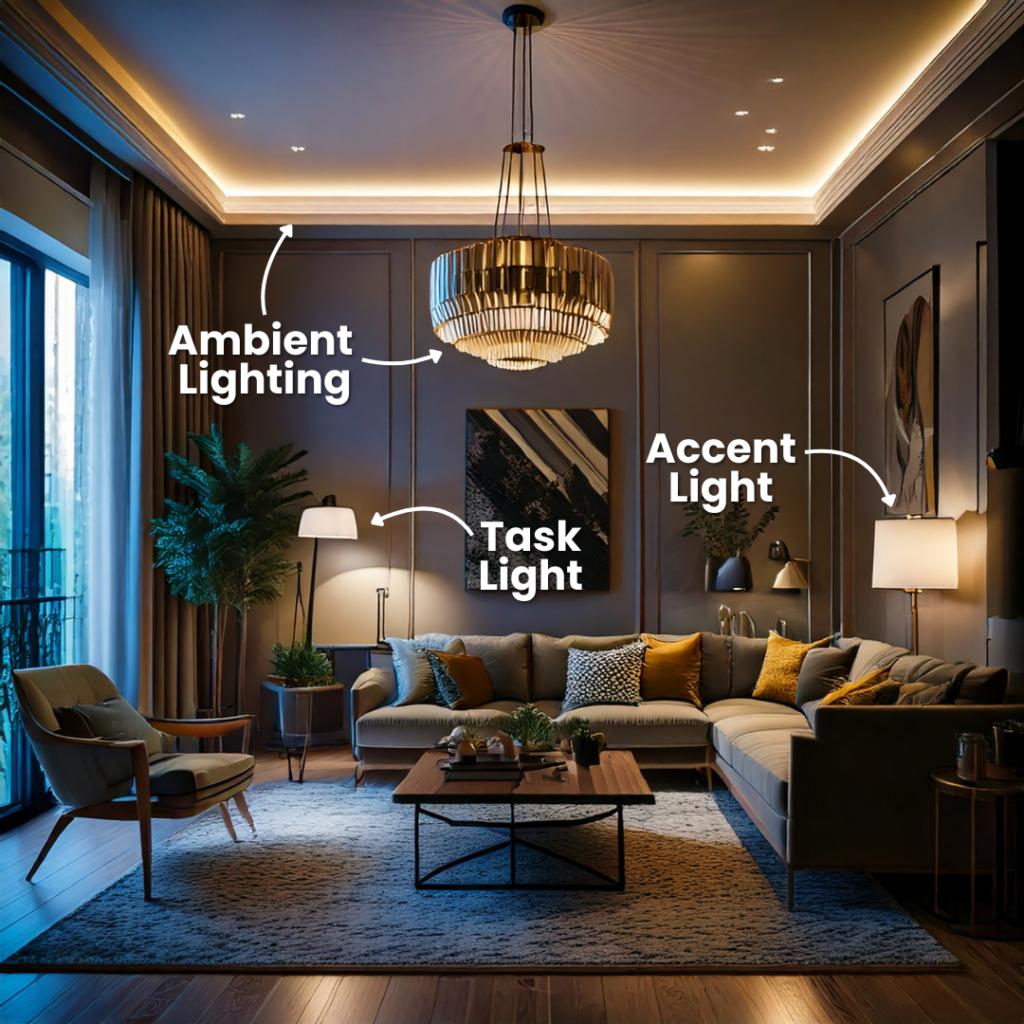
Layered lighting is the technique of combining multiple types of lighting to create a balanced, comfortable, and visually appealing environment. Instead of depending on one light source, interior designers use different lighting layers to serve specific purposes such as general illumination, task performance, highlighting décor, and enhancing aesthetics.

A successful lighting design generally consists of four main layers:

  • Ambient Lighting
  • Task Lighting
  • Accent Lighting
  • Decorative Lighting

Using all four layers together creates depth, improves functionality, and gives a premium look to your interior.

1. Ambient Lighting – The Foundation of Every Interior

Ambient lighting, also known as general lighting, provides the overall illumination for a room. It ensures that people can move around safely and comfortably while serving as the base layer for additional lighting.

Common Ambient Lighting Fixtures

  • Recessed LED downlights
  • Ceiling-mounted lights
  • LED panel lights
  • Cove lighting
  • Chandeliers with sufficient light output

Best Places to Use Ambient Lighting

  • Living Room
  • Bedroom
  • Dining Area
  • Hallway
  • Office
  • Commercial Spaces

Recommended Colour Temperature

  • Living Room: 2700K–3000K
  • Bedroom: 2700K
  • Kitchen: 3000K–4000K
  • Office: 4000K

Warm white lighting creates a welcoming atmosphere, while neutral white lighting improves visibility in workspaces.

2. Task Lighting – Light Where You Need It Most

Task lighting is designed to illuminate areas where specific activities take place. It reduces eye strain and improves visibility for everyday tasks.

Examples of Task Lighting

Kitchen

  • Under-cabinet LED strip lights
  • Pendant lights above the island
  • Countertop lighting

Bedroom

  • Bedside reading lamps
  • Adjustable wall lights

Bathroom

  • Mirror lighting
  • Vanity lights

Study Room

  • Desk lamps
  • Focused LED lighting

Task lighting should be brighter than ambient lighting while avoiding glare.

3. Accent Lighting – Highlight Your Interior Features

Accent lighting is used to draw attention to architectural details, artwork, decorative objects, or furniture. It adds depth and creates visual interest throughout the space.

Accent Lighting Ideas

  • LED strip behind TV units
  • Shelf lighting
  • Display cabinet lighting
  • Wall washer lights
  • Spotlights for paintings
  • Staircase lighting
  • Niche lighting

Accent lighting is especially effective in modern luxury interiors because it creates contrast and enhances focal points.

4. Decorative Lighting – Add Style and Personality

Decorative lighting serves as both a light source and a design statement. These fixtures enhance the overall aesthetic while complementing your interior theme.

Popular decorative lighting options include:

  • Crystal chandeliers
  • Modern pendant lights
  • Wall sconces
  • Floor lamps
  • Designer table lamps

Choosing the right decorative fixture can instantly elevate the appearance of your living room, dining area, or entrance.

Layered Lighting Ideas for Different Rooms

Living Room

A comfortable living room should combine several lighting layers.

Recommended lighting plan:

  • Cove lighting for ambient illumination
  • Recessed downlights throughout the ceiling
  • Floor lamp beside the sofa
  • LED strip behind the TV unit
  • Spotlights for artwork
  • Decorative chandelier as the focal point

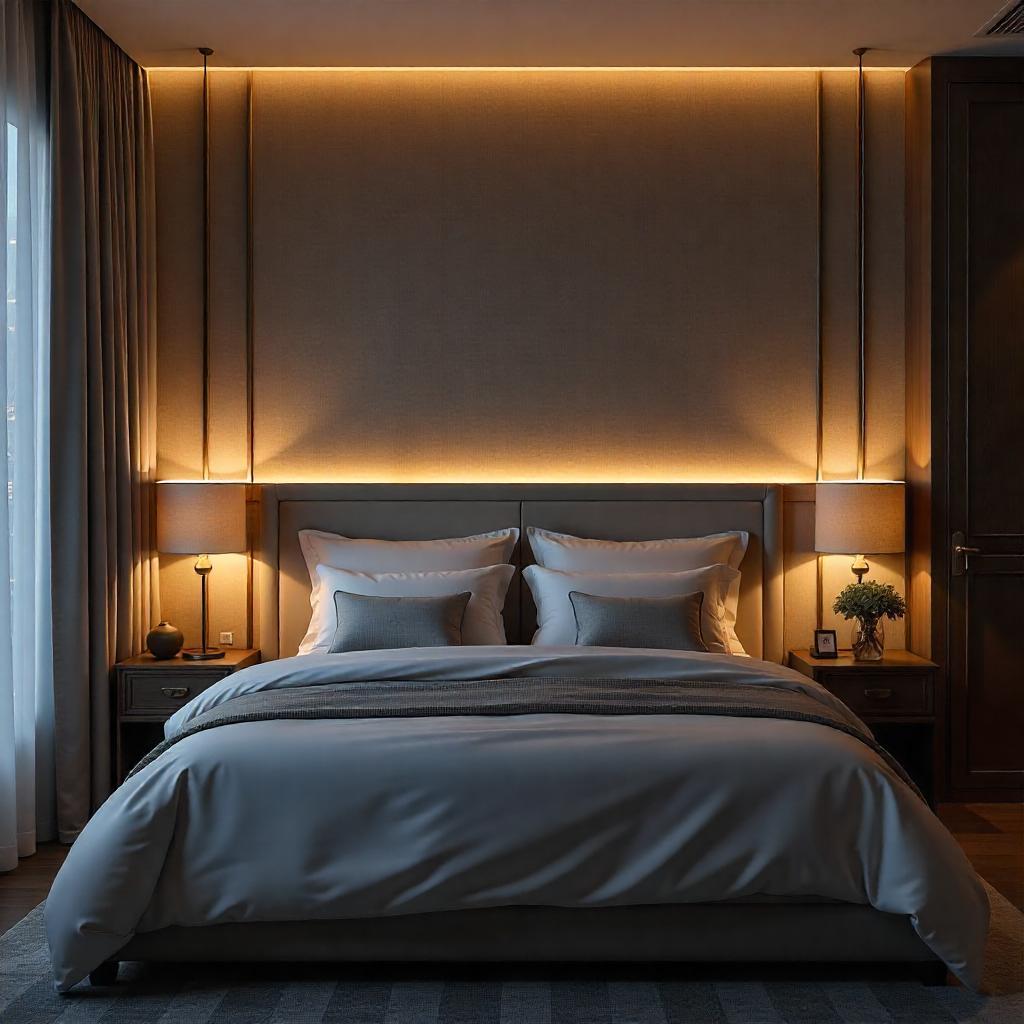
Bedroom

Bedrooms require soft and relaxing lighting.

Recommended lighting plan:

  • Cove lighting around the ceiling
  • Warm LED downlights
  • Reading lights beside the bed
  • Headboard LED strip lighting
  • Wardrobe lighting with motion sensors
  • Decorative pendant light or chandelier

Kitchen

Kitchen lighting should focus on functionality while maintaining a clean appearance.

Recommended lighting plan:

  • LED downlights
  • Under-cabinet lighting
  • Pendant lights over the island
  • Display cabinet lighting

Dining Room

Dining spaces look elegant with layered lighting.

Recommended lighting plan:

  • Statement pendant or chandelier above the dining table
  • Cove lighting
  • Wall sconces
  • Accent lighting for display shelves

Benefits of Layered Lighting

A professionally designed lighting plan offers numerous advantages:

  • Improves functionality in every room
  • Creates a warm and welcoming atmosphere
  • Makes spaces appear larger
  • Enhances architectural features
  • Increases visual comfort
  • Adds luxury to interiors
  • Improves energy efficiency with LED technology
  • Increases property value

Common Lighting Mistakes to Avoid

Many homeowners unknowingly make lighting mistakes that affect the beauty and functionality of their interiors.

Avoid these common errors:

  • Using only one ceiling light
  • Choosing the wrong colour temperature
  • Ignoring task lighting
  • Over-lighting or under-lighting a room
  • Installing poor-quality LED fixtures
  • Mixing different light colours in the same room
  • Forgetting dimmer controls

A professional lighting design ensures the right balance between brightness, comfort, and aesthetics.

Why Professional Lighting Design Matters

Lighting should never be an afterthought. During the interior design process, lighting must be planned alongside furniture layouts, false ceilings, electrical wiring, and architectural features.

At Nepal Interior Design, we prepare lighting layouts that integrate seamlessly with your interior concept. Every fixture is selected to enhance the beauty, usability, and long-term performance of your space.

Whether you are building a new home, renovating an apartment, designing an office, or creating a commercial showroom, our team develops customized lighting solutions tailored to your lifestyle and budget.

Transform Your Space with Nepal Interior Design

The right lighting has the power to transform an ordinary room into an extraordinary living experience. By combining ambient, task, accent, and decorative lighting, you can create interiors that are elegant, functional, and timeless.

If you’re planning a residential or commercial interior project in Nepal, let Nepal Interior Design help you design a lighting plan that enhances every corner of your space.

Need Expert Interior Design Services?

Nepal Interior Design offers:

  • Residential Interior Design
  • Commercial Interior Design
  • 3D Interior Visualization
  • Lighting Design Planning
  • Modular Kitchen Design
  • False Ceiling Design
  • Furniture Design
  • Turnkey Interior Solutions

Contact us today to turn your vision into a beautifully illuminated reality.


Frequently Asked Questions (FAQs)

What are the four layers of interior lighting?
The four layers are ambient lighting, task lighting, accent lighting, and decorative lighting. Together, they create balanced and functional spaces.

Which colour temperature is best for homes?
Warm white (2700K–3000K) is ideal for living rooms and bedrooms, while neutral white (3000K–4000K) works well for kitchens and workspaces.

Why is layered lighting important?
Layered lighting improves comfort, functionality, energy efficiency, and the overall appearance of your home.

Can layered lighting make a room look bigger?
Yes. Using cove lighting, wall washing, and accent lighting adds depth, making rooms feel brighter and more spacious.

Interior Design in Nepal: Transforming Homes and Commercial Spaces with Smart Design

Interior design in Nepal has evolved rapidly over the past decade. Today, homeowners and business owners are no longer satisfied with simply decorating a space—they want interiors that are functional, comfortable, stylish, and tailored to their lifestyle. Whether you’re building a new home, renovating an apartment, or designing a commercial space, professional interior design can significantly improve the beauty, value, and functionality of your property.

Why Interior Design Matters

A well-designed interior is more than just attractive furniture and paint colors. It is about creating spaces that enhance everyday living. Good interior design helps optimize available space, improves lighting and ventilation, increases storage efficiency, and creates a balanced environment that reflects your personality.

Professional designers consider every detail, including room layout, furniture placement, lighting design, material selection, color combinations, and overall functionality. The result is a space that feels comfortable, organized, and visually appealing.

The Growing Demand for Interior Design in Nepal

As urban areas such as Kathmandu, Lalitpur, Bhaktapur, Pokhara, Chitwan, Butwal, and Dharan continue to develop, modern homes and commercial buildings are becoming increasingly popular. Limited living space, changing lifestyles, and rising property values have made professional interior design an essential investment rather than a luxury.

Many homeowners now choose complete interior design services before moving into their new homes, while businesses invest in attractive office and retail interiors to improve customer experience and employee productivity.

Popular Interior Design Styles in Nepal

Modern Interior Design

Modern interiors focus on simplicity, clean lines, neutral colors, and functional furniture. This style is perfect for apartments and urban homes where space optimization is important.

Contemporary Design

Contemporary interiors combine modern aesthetics with current design trends. They feature elegant furniture, statement lighting, open layouts, and sophisticated finishes.

Minimalist Design

Minimalism emphasizes “less is more.” With uncluttered spaces, hidden storage, and carefully selected furniture, minimalist homes create a calm and peaceful atmosphere.

Luxury Interior Design

Luxury interiors use premium materials such as marble, veneer, high-quality laminates, decorative lighting, and custom furniture to create elegant living spaces.

Traditional Nepali Interior Design

Many homeowners prefer blending traditional Nepali craftsmanship with modern functionality. Wood carvings, exposed brick walls, local stone, and handcrafted décor create timeless interiors inspired by Nepal’s cultural heritage.

Interior Design Services for Homes

Residential interior design includes complete planning and execution for every room in your home.

Living Room Design

The living room is the heart of every home. A professionally designed living room combines comfortable seating, attractive lighting, TV units, display cabinets, and décor that creates a welcoming atmosphere.

Bedroom Design

Bedrooms should be peaceful and relaxing. Custom wardrobes, space-saving storage, comfortable lighting, and soothing color schemes help create a restful environment.

Modular Kitchen Design

Modern modular kitchens are among the most requested interior services in Nepal. A functional kitchen includes efficient work triangles, durable cabinets, quality hardware, sufficient storage, and easy-to-clean finishes.

Dining Area Design

The dining space should complement both the kitchen and living room while providing a comfortable environment for family gatherings.

Bathroom Interior Design

Contemporary bathrooms combine elegant tiles, modern sanitary fittings, smart storage, mirrors, and effective lighting to maximize both comfort and aesthetics.

Commercial Interior Design

Businesses benefit greatly from professionally designed interiors.

Office Interior Design

An organized office improves employee productivity while creating a professional impression for clients. Features include ergonomic workstations, meeting rooms, reception areas, and efficient lighting.

Retail and Boutique Design

Attractive store layouts encourage customers to explore products and increase sales. Proper product displays, lighting, and circulation planning play a significant role in retail success.

Restaurant and Café Design

Restaurants require careful planning to balance seating capacity, kitchen workflow, ambiance, and customer comfort. Interior design contributes directly to the overall dining experience.

Benefits of Hiring a Professional Interior Designer

Working with experienced interior designers provides several advantages:

  • Better space planning
  • Accurate budgeting
  • Professional 2D and 3D designs
  • Material selection guidance
  • Custom furniture design
  • Efficient project management
  • Reduced construction mistakes
  • Higher property value
  • Timely project completion

Professional designers also coordinate with contractors, electricians, plumbers, carpenters, and painters, ensuring every aspect of the project runs smoothly.

Latest Interior Design Trends in Nepal

Current design trends include:

  • Warm neutral color palettes
  • Modular furniture
  • Smart home integration
  • Hidden storage solutions
  • Natural wood finishes
  • Stone and textured wall panels
  • LED profile lighting
  • Open-plan living spaces
  • Sustainable and eco-friendly materials
  • Indoor plants and biophilic design

These trends create interiors that are modern, practical, and timeless.

Tips Before Starting Your Interior Project

Before beginning your interior design journey:

  • Define your budget clearly.
  • Identify your lifestyle and functional requirements.
  • Collect inspiration images.
  • Choose quality materials over cheaper alternatives.
  • Invest in proper lighting.
  • Prioritize storage planning.
  • Work with experienced professionals.
  • Finalize designs before construction begins.

Planning ahead helps avoid costly changes during execution.

Why Choose Nepal Interior Design Pvt. Ltd.?

At Nepal Interior Design Pvt. Ltd., we specialize in creating beautiful and functional residential and commercial interiors across Nepal. Our experienced team provides complete interior solutions, including:

  • Interior Consultation
  • Space Planning
  • 2D Layout Design
  • 3D Visualization
  • Modular Kitchen Design
  • Custom Furniture Design
  • Office Interiors
  • Restaurant Interiors
  • Boutique Interiors
  • Turnkey Interior Solutions
  • Renovation Services

Our goal is to deliver interiors that perfectly balance aesthetics, comfort, quality, and functionality while staying within your budget.

Conclusion

Interior design is an investment that enhances the beauty, comfort, and value of your property. Whether you are designing a new home, renovating an existing space, or planning a commercial project, thoughtful interior planning ensures long-lasting satisfaction.

If you’re looking for reliable and creative interior design services in Nepal, Nepal Interior Design Pvt. Ltd. is ready to transform your vision into reality with innovative designs, quality craftsmanship, and professional project execution.

Contact Nepal Interior Design Pvt. Ltd. today to begin creating the home or commercial space you’ve always imagined.

The Ultimate Guide to Interior Design in Nepal: Blending Modern Luxury with Heritage

Whether you are moving into a new apartment in Sanepa, building a modern home in Pokhara, or looking to give your family home in Bhaktapur a fresh face, the way we design our living spaces is changing rapidly. Gone are the days of copy-pasting heavy, dark imported furniture into small rooms.

Today, interior design in Nepal is all about smart functionality, sustainable local materials, and a beautiful fusion of modern minimalism with rich cultural heritage.

If you are planning a home makeover, here are the defining interior design trends shaping Nepali homes this year, along with practical tips to achieve them.

1. The Rise of “Contemporary Fusion” (Modern Meets Newari Heritage)

The most exciting trend in Nepal right now is the blend of clean, global design lines with traditional craftsmanship. Instead of cluttering a room with heavy antiques, modern Nepali homes use heritage pieces as minimalist focal points.

  • How to get the look: Pair a sleek, low-profile gray sofa with vibrant Dhaka fabric cushions. Use a single, intricately hand-carved Newari wooden screen (Aankhi Jhyal style) as a functional room divider between your living and dining areas.
  • The Vibe: Sophisticated, deeply personal, and unmistakably Nepali.

2. Space-Saving Architecture for Urban Apartments

With the real estate boom in Kathmandu Lalitpur, and Bhaktapur, apartment living is the new normal. Because floor space comes at a premium, multifunctional furniture and open-plan layouts are necessities.

  • Smart Layouts: Drop the partition walls. Combining your kitchen, dining, and living area makes even a compact 2-BHK feel double its size.
  • Smart Storage: Use hydraulic storage beds, wall-mounted floating TV units, and floor-to-ceiling sliding wardrobes to keep visual clutter to an absolute minimum.

3. High-Performance Modular Kitchens Adapted for Nepali Cooking

A generic imported kitchen design often fails under the demands of authentic Nepali cooking. From rolling out rotis to frying aromatic spices (chhanun), our kitchens face high heat, oil, and intense staining agents like turmeric.

Modern kitchen design in Nepal has adapted with three non-negotiable upgrades:

FeatureWhy It Matters for Nepali Kitchens
Quartz CountertopsUnlike light marbles, quartz is non-porous and entirely stain-resistant against turmeric and mustard oil.
High-Suction ChimneysLook for a chimney rated at 1200–1500 $m^3/hr$ to efficiently clear heavy smoke from tempering dal or frying meat.
Tandem DrawersHeavy brass and copper cookware (kasoudi, gari) will break standard drawers. Heavy-duty tandem channels are a must.

4. Earthy, Nature-Inspired Color Palettes

Say goodbye to the harsh, cold white walls or overly bright glossy paints of the past decade. Nepali designers are drawing color inspiration straight from the country’s natural landscapes.

  • Trending Base Colors: Warm neutrals like beige, soft cream, and clay.
  • Accent Tones: Terracotta (inspired by the ancient temples of Patan), sage green (from our rolling hills), and deep charcoal.

5. Biophilic Design: Bringing the Outside In

Because Kathmandu’s urban air can get dusty, incorporating biophilic design (connecting indoor spaces to nature) has become incredibly popular. Nepal’s climate is perfect for low-maintenance indoor greenery.

Integrate plants like Money Plants, Snake Plants, and Monstera varieties into your living room lightwells or shelving units. Not only do they add a burst of life to a minimalist room, but they also act as natural indoor air purifiers.

Low-Budget Interior Design Tips for Nepali Homes

You don’t need a massive budget to give your home a high-end feel. If you are decorating on a budget, focus on these high-impact changes:

  1. Layer Your Lighting: Relying on a single, bright white LED tube light makes a room feel flat and cold. Swap it for warm-white (3000K) hidden LED strip profiles in a false ceiling, paired with a stylish bamboo pendant lamp from local markets in Asan or Indrachowk.
  2. Upcycle with Local Textiles: Give your old wooden chairs or sofas a budget-friendly facelift by reupholstering them with local handwoven fabrics or placing a locally woven jute mat (sukul style) under your coffee table.
  3. Ruthless Decluttering: Minimalism costs absolutely nothing. Clearing out unused items instantly opens up your rooms and elevates the overall look.

Conclusion: Ready to Transform Your Space?

An elegant home isn’t about buying the most expensive imported decor—it’s about creating a functional, peaceful environment that tells your story. By combining clean, space-saving layouts with the unmatched beauty of Nepali craftsmanship, you can build a home that is both future-ready and timeless.