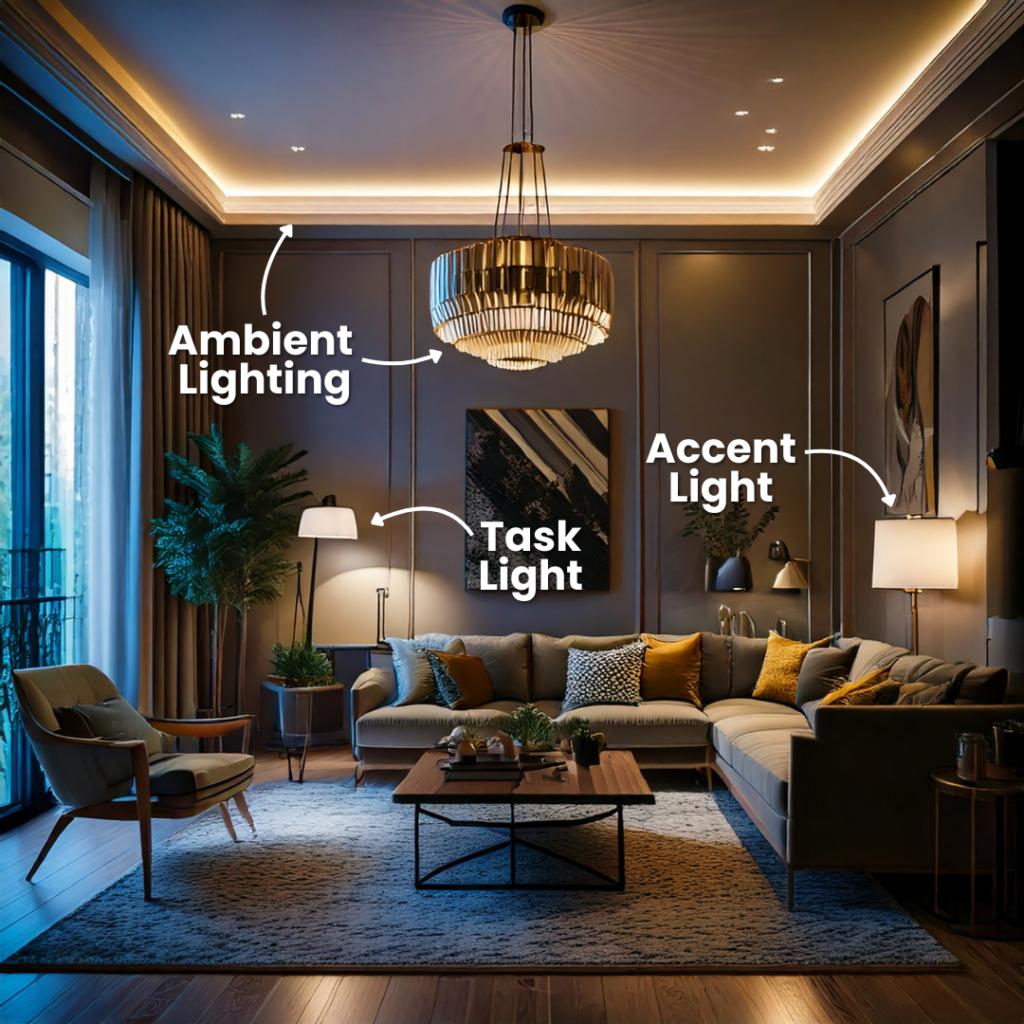
Layered Lighting in Interior Design: The Complete Guide to Creating Beautiful and Functional Spaces
Lighting is one of the most important elements of interior design. A well-designed lighting plan can completely transform the appearance, comfort, and functionality of any space. Unfortunately, many homes in Nepal still rely on a single ceiling light, which often creates harsh shadows and uneven illumination.
At Nepal Interior Design, we believe that great interiors are not just about beautiful furniture and finishes—they are also about creating the perfect atmosphere through layered lighting. Whether you are designing a new home, renovating an apartment, or planning a commercial space, understanding the different layers of lighting will help you achieve a luxurious and practical interior.
What Is Layered Lighting?
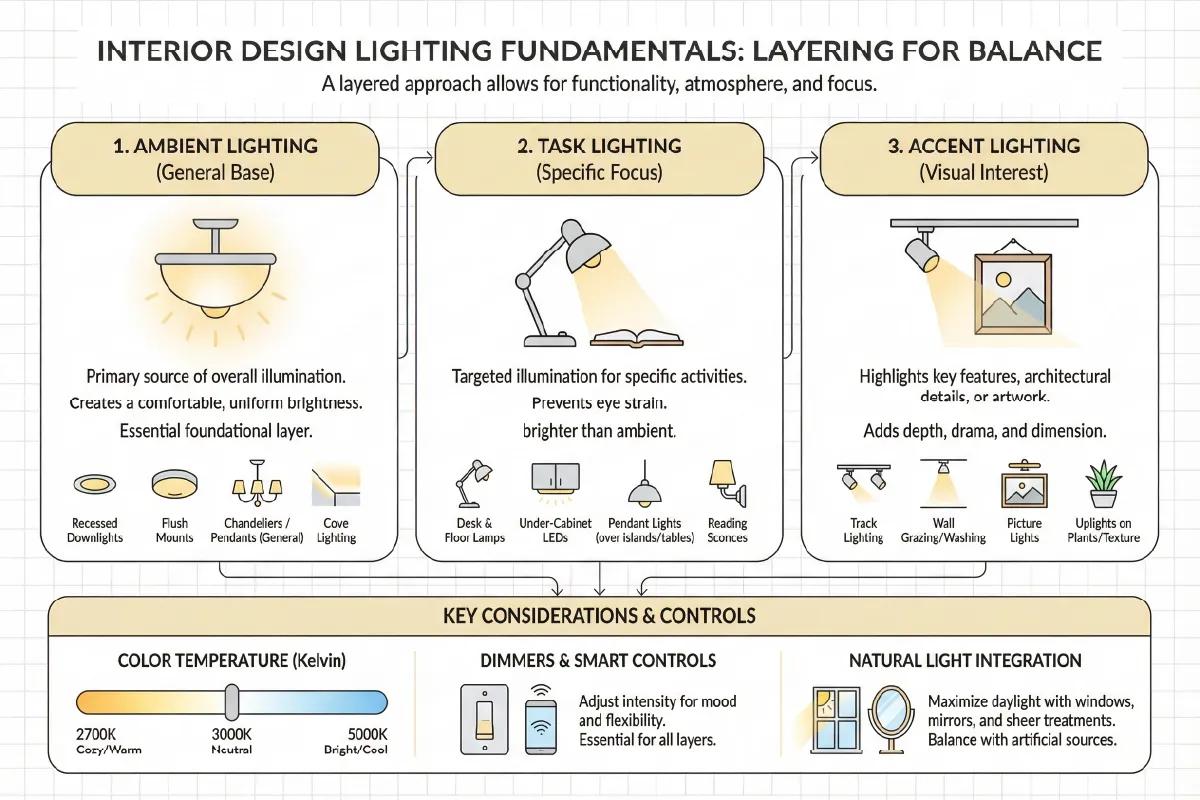
Layered lighting is the technique of combining multiple types of lighting to create a balanced, comfortable, and visually appealing environment. Instead of depending on one light source, interior designers use different lighting layers to serve specific purposes such as general illumination, task performance, highlighting décor, and enhancing aesthetics.
A successful lighting design generally consists of four main layers:
- Ambient Lighting
- Task Lighting
- Accent Lighting
- Decorative Lighting
Using all four layers together creates depth, improves functionality, and gives a premium look to your interior.
1. Ambient Lighting – The Foundation of Every Interior
Ambient lighting, also known as general lighting, provides the overall illumination for a room. It ensures that people can move around safely and comfortably while serving as the base layer for additional lighting.
Common Ambient Lighting Fixtures
- Recessed LED downlights
- Ceiling-mounted lights
- LED panel lights
- Cove lighting
- Chandeliers with sufficient light output
Best Places to Use Ambient Lighting
- Living Room
- Bedroom
- Dining Area
- Hallway
- Office
- Commercial Spaces
Recommended Colour Temperature
- Living Room: 2700K–3000K
- Bedroom: 2700K
- Kitchen: 3000K–4000K
- Office: 4000K
Warm white lighting creates a welcoming atmosphere, while neutral white lighting improves visibility in workspaces.
2. Task Lighting – Light Where You Need It Most
Task lighting is designed to illuminate areas where specific activities take place. It reduces eye strain and improves visibility for everyday tasks.
Examples of Task Lighting
Kitchen
- Under-cabinet LED strip lights
- Pendant lights above the island
- Countertop lighting
Bedroom
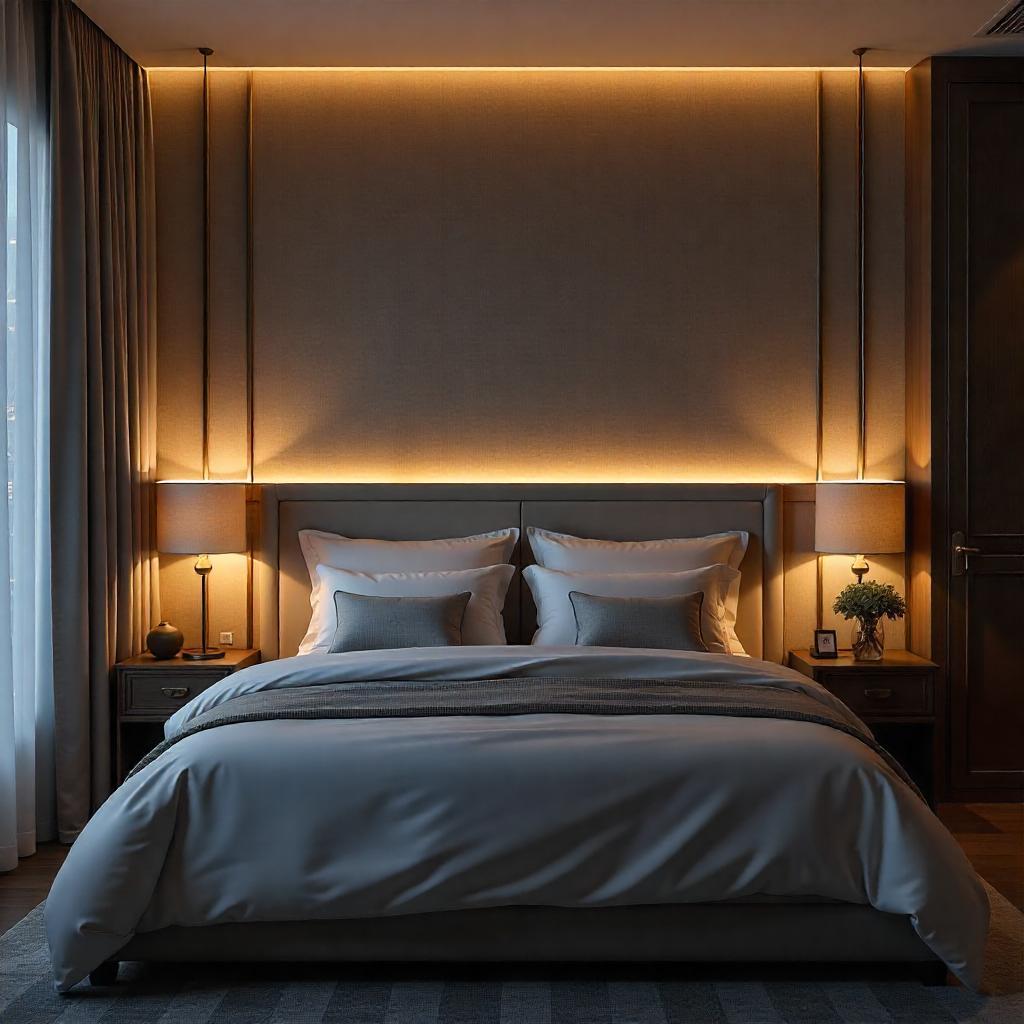
- Bedside reading lamps
- Adjustable wall lights
Bathroom
- Mirror lighting
- Vanity lights
Study Room
- Desk lamps
- Focused LED lighting
Task lighting should be brighter than ambient lighting while avoiding glare.
3. Accent Lighting – Highlight Your Interior Features
Accent lighting is used to draw attention to architectural details, artwork, decorative objects, or furniture. It adds depth and creates visual interest throughout the space.
Accent Lighting Ideas
- LED strip behind TV units
- Shelf lighting
- Display cabinet lighting
- Wall washer lights
- Spotlights for paintings
- Staircase lighting
- Niche lighting
Accent lighting is especially effective in modern luxury interiors because it creates contrast and enhances focal points.
4. Decorative Lighting – Add Style and Personality
Decorative lighting serves as both a light source and a design statement. These fixtures enhance the overall aesthetic while complementing your interior theme.
Popular decorative lighting options include:
- Crystal chandeliers
- Modern pendant lights
- Wall sconces
- Floor lamps
- Designer table lamps
Choosing the right decorative fixture can instantly elevate the appearance of your living room, dining area, or entrance.
Layered Lighting Ideas for Different Rooms
Living Room
A comfortable living room should combine several lighting layers.
Recommended lighting plan:
- Cove lighting for ambient illumination
- Recessed downlights throughout the ceiling
- Floor lamp beside the sofa
- LED strip behind the TV unit
- Spotlights for artwork
- Decorative chandelier as the focal point
Bedroom
Bedrooms require soft and relaxing lighting.
Recommended lighting plan:
- Cove lighting around the ceiling
- Warm LED downlights
- Reading lights beside the bed
- Headboard LED strip lighting
- Wardrobe lighting with motion sensors
- Decorative pendant light or chandelier
Kitchen
Kitchen lighting should focus on functionality while maintaining a clean appearance.
Recommended lighting plan:
- LED downlights
- Under-cabinet lighting
- Pendant lights over the island
- Display cabinet lighting
Dining Room
Dining spaces look elegant with layered lighting.
Recommended lighting plan:
- Statement pendant or chandelier above the dining table
- Cove lighting
- Wall sconces
- Accent lighting for display shelves
Benefits of Layered Lighting
A professionally designed lighting plan offers numerous advantages:
- Improves functionality in every room
- Creates a warm and welcoming atmosphere
- Makes spaces appear larger
- Enhances architectural features
- Increases visual comfort
- Adds luxury to interiors
- Improves energy efficiency with LED technology
- Increases property value
Common Lighting Mistakes to Avoid
Many homeowners unknowingly make lighting mistakes that affect the beauty and functionality of their interiors.
Avoid these common errors:
- Using only one ceiling light
- Choosing the wrong colour temperature
- Ignoring task lighting
- Over-lighting or under-lighting a room
- Installing poor-quality LED fixtures
- Mixing different light colours in the same room
- Forgetting dimmer controls
A professional lighting design ensures the right balance between brightness, comfort, and aesthetics.
Why Professional Lighting Design Matters
Lighting should never be an afterthought. During the interior design process, lighting must be planned alongside furniture layouts, false ceilings, electrical wiring, and architectural features.
At Nepal Interior Design, we prepare lighting layouts that integrate seamlessly with your interior concept. Every fixture is selected to enhance the beauty, usability, and long-term performance of your space.
Whether you are building a new home, renovating an apartment, designing an office, or creating a commercial showroom, our team develops customized lighting solutions tailored to your lifestyle and budget.
Transform Your Space with Nepal Interior Design
The right lighting has the power to transform an ordinary room into an extraordinary living experience. By combining ambient, task, accent, and decorative lighting, you can create interiors that are elegant, functional, and timeless.
If you’re planning a residential or commercial interior project in Nepal, let Nepal Interior Design help you design a lighting plan that enhances every corner of your space.
Need Expert Interior Design Services?
Nepal Interior Design offers:
- Residential Interior Design
- Commercial Interior Design
- 3D Interior Visualization
- Lighting Design Planning
- Modular Kitchen Design
- False Ceiling Design
- Furniture Design
- Turnkey Interior Solutions
Contact us today to turn your vision into a beautifully illuminated reality.
Frequently Asked Questions (FAQs)
What are the four layers of interior lighting?
The four layers are ambient lighting, task lighting, accent lighting, and decorative lighting. Together, they create balanced and functional spaces.
Which colour temperature is best for homes?
Warm white (2700K–3000K) is ideal for living rooms and bedrooms, while neutral white (3000K–4000K) works well for kitchens and workspaces.
Why is layered lighting important?
Layered lighting improves comfort, functionality, energy efficiency, and the overall appearance of your home.
Can layered lighting make a room look bigger?
Yes. Using cove lighting, wall washing, and accent lighting adds depth, making rooms feel brighter and more spacious.
Leave a Reply